
Nearly one in five online orders comes back. NRF and Happy Returns put the 2025 ecommerce return rate at 19.3%, well above the 15.8% rate across all retail. If you run a WooCommerce store, the data you already have can tell you why, and cutting that rate pays off fast.
Why this matters
Narvar’s CEO told the Wall Street Journal that cutting returns in half could raise a retailer’s profitability by up to 25%. Most owners respond by tightening return policies or blaming shipping. But WooCommerce says the real answers usually sit in your store’s own refund and product data, not in guesswork.
How to spot the pattern
Open WooCommerce Analytics and look at refund rates alongside product performance. A few patterns tend to show up:
- Wrong size or unclear fit. If a specific product gets returned for sizing, compatibility, or “not what I expected,” the product page probably needs clearer photos, measurements, or copy.
- Damaged items. Repeated damage complaints on one product usually point to a packaging or fulfillment problem, not the product itself.
- Repeat returns from the same customers. A small group of customers returning items far more often than everyone else can be a sign of policy abuse rather than product issues.
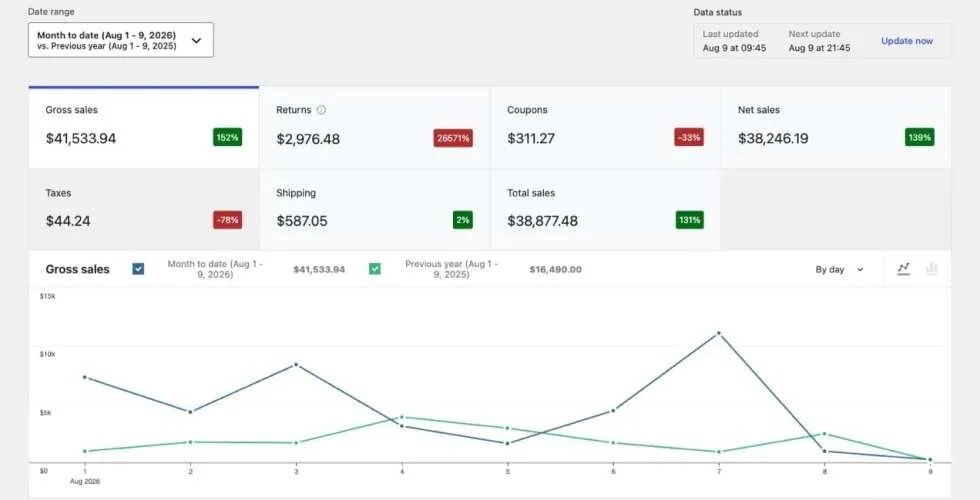
Automating the abuse check
Catching repeat-return customers by hand doesn’t scale. The AutomateWoo extension can do it for you without any coding. Set up a workflow with the trigger “Order Refunded,” add a rule for refund count per customer, and choose an action such as notifying your team by email or tagging the customer’s account. Once that’s running, repeat offenders get flagged automatically instead of slipping through until you notice the pattern yourself.
What to do
Check your refund rates in WooCommerce Analytics before you change your return policy or blame your shipping carrier. Fixing an unclear product page or a packaging problem usually costs less than a blanket policy change, and it fixes the actual reason customers are sending items back.
End of article